Same day emergency stain cleaning in Chelsea what to expect
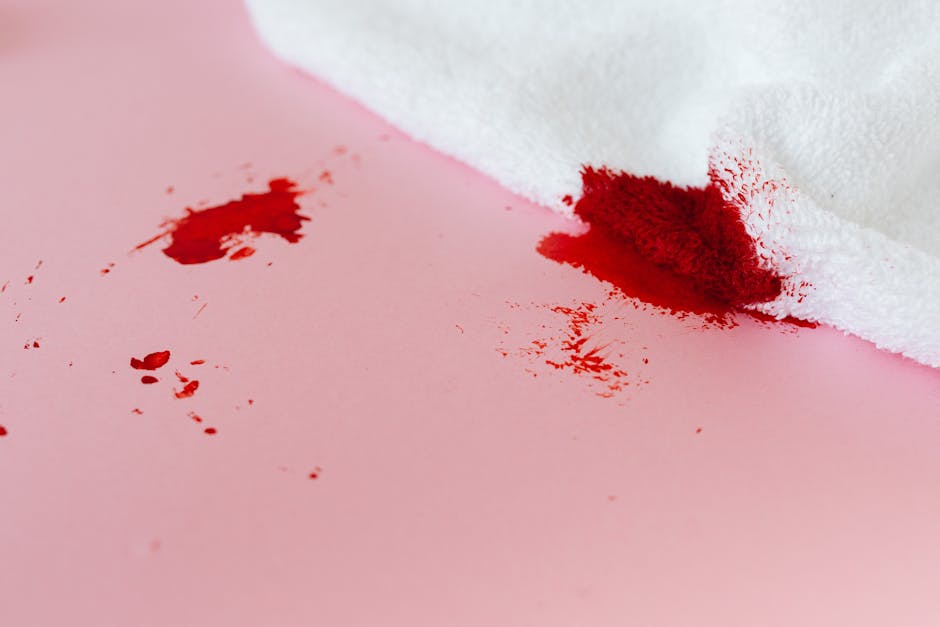
If you have just spotted a red wine spill on a cream rug, a coffee splash on the sofa, or muddy footprints across a hallway carpet, you probably want one thing first: a calm, quick answer. Same day emergency stain cleaning in Chelsea what to expect is usually simpler than people fear, but there is a process, and knowing it helps you make better decisions under pressure. Truth be told, stains look worse in the first ten minutes than they often do after treatment. The trick is acting fast without making them spread.
This guide walks you through the full experience from first call to final check. You will see what a professional emergency visit normally includes, what affects the result, how to prepare, and what not to do while waiting. If you are in Chelsea and you need fast help, the right expectations make the whole thing less stressful. And yes, a bit less messy too.
Table of Contents
- Why same day emergency stain cleaning in Chelsea matters
- How same day emergency stain cleaning works
- Key benefits and practical advantages
- Who this is for and when it makes sense
- Step-by-step guidance
- Expert tips for better results
- Common mistakes to avoid
- Tools, resources and recommendations
- Law, compliance, standards, or best practice
- Options, methods, or comparison table
- Case study or real-world example
- Practical checklist
- Conclusion
- Frequently asked questions
Why Same day emergency stain cleaning in Chelsea what to expect Matters
Stains are not all the same. A glass of Merlot on a pale rug behaves very differently from grease on an upholstered armchair or bleach on a hallway runner. In Chelsea, where many homes and flats have higher-end finishes, natural fibres, fitted carpets, and delicate fabrics, delay can make a small incident turn into a permanent mark. That is why same day stain cleaning matters so much.
Emergency cleaning is about more than appearance. It can protect fibres, preserve colour, reduce odour, and stop a stain from setting. It also helps avoid the classic overreaction: scrubbing too hard, using the wrong product, and pushing the stain deeper. We have all seen that one. The "quick fix" becomes the expensive fix.
It matters even more in shared buildings, rental properties, and busy family homes. A stain in a flat near the King's Road can affect a landlord inspection, a move-out deposit, or just the feel of the room. And let's face it, a patchy floor or marked sofa tends to dominate your attention until it is dealt with.
For readers comparing broader cleaning support, services such as stain removal, carpet cleaning, and upholstery cleaning are often used together when a spill has spread beyond one surface.
How Same day emergency stain cleaning in Chelsea what to expect Works
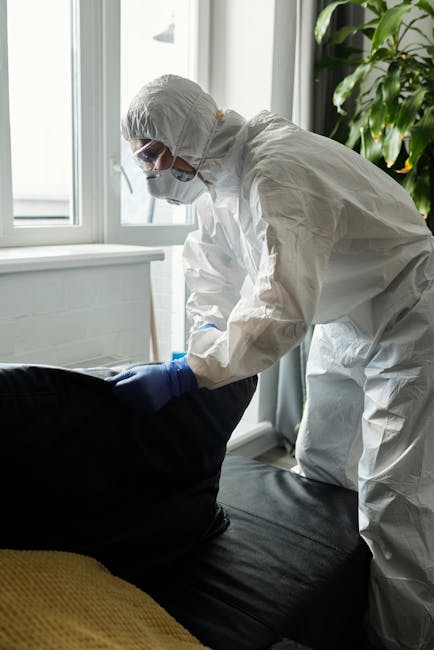
The process is usually straightforward, but it is worth knowing the sequence. A same day visit is rarely a rushed spray-and-pray job. A good cleaner will first identify the material, the stain type, the spread, and any risk factors such as dye transfer or moisture-sensitive backing. That initial assessment changes everything.
Most appointments follow a pattern:
- Initial call or message. You explain what happened, where it is, how long ago it happened, and what surface is affected.
- Basic triage. The cleaner decides how urgent the stain is, whether same day attendance is realistic, and what equipment may be needed.
- Arrival and inspection. They check fibres, colourfastness, access, ventilation, and any nearby items that could be affected.
- Pre-treatment. A suitable stain solution is applied, chosen for the material and stain type.
- Controlled cleaning. The area is cleaned with the method that best matches the fabric or carpet construction.
- Extraction or rinse. Residue is lifted out so the stain does not wick back as it dries.
- Final review and drying advice. You are shown what has been achieved and told what to expect while it dries.
That is the broad picture. The details shift depending on the surface. A wool rug, for example, needs much more care than a synthetic office carpet. A sofa stain near a seam may need extra checking because liquid can travel under the fabric. Tiny detail, big difference.
If the issue is part of a larger clean-up after a spill, flood, or party accident, the cleaner may suggest a wider service such as deep cleaning or one-off cleaning once the immediate stain has been stabilised.
Key Benefits and Practical Advantages
The biggest benefit is obvious: speed. But speed alone is not the full story. Same day stain cleaning is valuable because it reduces the time the stain has to bond with the fibres, and it limits the temptation to use harsh DIY remedies.
Here are the practical advantages people tend to notice most:
- Better chance of stain removal: Fresh spills are usually easier to treat than dried-in marks.
- Less fibre damage: Professional methods aim to clean without rubbing, bleaching, or over-wetting.
- Faster peace of mind: You do not spend the whole day worrying about whether the mark will stay.
- Reduced odour risk: Especially useful with food, drink, pet accidents, or anything organic.
- Suitable for delicate surfaces: Wool, silk blends, velvet, and fine upholstery need careful handling.
- Useful for landlords and tenants: Quick intervention can help before a stain becomes a larger dispute.
There is also a quieter benefit that is easy to miss: good emergency cleaning helps preserve the room's overall look. One small stain can make a room feel unkempt, even when the rest is spotless. It is a slightly annoying psychological thing, but it is real.
Who This Is For and When It Makes Sense
Same day emergency stain cleaning is not only for dramatic disasters. It makes sense for a wide range of everyday situations, especially where a delay could worsen the result.
You may need it if:
- a drink has spilled on carpet, rug, sofa, or mattress
- food grease, sauce, or makeup has transferred onto fabric
- pet accidents have left a mark or odour
- mud, ink, or dye has spread on a textile surface
- a rental inspection, check-out, or event is coming up soon
- you have a high-value or delicate item and do not want to gamble with DIY
This service is especially sensible in Chelsea homes where interiors often include a mix of textures and finishes. A modern flat may have fitted carpet in one room, a handwoven rug in another, and upholstered furniture that cost more than most people like to admit. Different materials, different risks.
It also suits people who simply do not want to wait. If you have guests arriving that evening or you are managing a property turnover, same day support can be the difference between a small hiccup and a proper headache. Why leave a fresh stain to set overnight if you do not have to?
Step-by-Step Guidance
If you are preparing for an emergency stain visit, here is how to handle the situation in a sensible, low-stress way.
1. Stop the stain from spreading
Blot gently with a clean white cloth or plain paper towel if the spill is still wet. Do not rub. Rubbing pushes the liquid deeper and can distort fibres. A dab-dab motion is enough. Not glamorous, but effective.
2. Avoid random products
Do not start mixing cleaners from the cupboard. Vinegar, soda, washing-up liquid, stain sprays, and fabric fresheners can react badly with some fibres or dyes. If you are unsure, leave it alone and wait for the professional.
3. Make the area easy to access
Move small furniture, toys, or loose items away from the stain if you can do so safely. This helps the cleaner inspect the full area and prevents accidental transfer. If the stain is on a sofa or mattress, clear bedding, throws, and cushions first.
4. Be ready to explain what happened
It sounds simple, but the cleaner will want to know what caused the stain, how long ago it happened, and whether anything has already been used on it. If a product has already been applied, say so. No judgement. It just changes the approach.
5. Expect an on-site assessment
The cleaner should inspect the material before starting. If the stain is on wool, silk, viscose, velvet, or a bonded backing, testing may be needed first. That is normal and sensible.
6. Let the cleaner work methodically
Good stain removal often looks slower than people expect. That is fine. Controlled treatment is usually better than aggressive action. You may see pre-spray, careful agitation, extraction, and repeat checking. It can feel a bit clinical, but that is what protects the fabric.
7. Follow drying instructions
Once the area is cleaned, you may be advised to ventilate the room, keep pets off the surface, or avoid walking on it for a while. If the item is upholstered, the cleaner may suggest opening windows or using air circulation to help dry time. A bit of airflow goes a long way.
Expert Tips for Better Results
In our experience, the best results usually come from simple, disciplined choices. Nothing fancy. Just the right actions at the right time.
- Act quickly, but calmly. The first few minutes matter, yet panic often leads to rubbing and over-wetting.
- Use plain white cloths. Coloured cloths can transfer dye, especially when damp.
- Keep heat away from the stain. Hairdryers, irons, and hot water can set some stains permanently.
- Know the surface. Wool, silk, and natural fibres need a different approach than synthetic carpet or polyester upholstery.
- Ask about drying time. A sensible cleaner should explain what to expect, not just say "it'll be fine" and vanish.
- Take a quick photo before treatment. This can help if you need to compare results or report the issue later.
A small but useful tip: if you are dealing with a spill on an expensive rug, lift nearby furniture feet away from the area so the wet patch is not pressed flat. That little pressure can make drying slower and the stain more stubborn.
If the item is a curtain, sofa, or mattress, specialist services such as curtain cleaning, sofa cleaning, and mattress cleaning may be the most suitable follow-up once the emergency is under control.
Common Mistakes to Avoid
Most stain damage does not happen because the spill was huge. It happens because of what people do next.
- Rubbing hard: This is the classic mistake. It spreads the stain and roughens fibres.
- Over-soaking the area: Too much liquid can push the mark deeper or cause rings when drying.
- Using bleach on coloured fabrics: Obvious in theory, disastrous in practice.
- Trying several products one after another: Chemical stacking can make matters worse and can be unsafe.
- Ignoring the backing or underlayer: Some stains travel beneath the visible surface and reappear later.
- Waiting too long to call for help: By the next day, some stains are far more difficult to shift.
Another sneaky mistake is assuming a stain is gone because it looks lighter when wet. Once it dries, a hidden residue can reappear. Professionals often check the area carefully before declaring victory. Sensible, really.
Tools, Resources and Recommendations
A proper emergency stain clean is not just about one product. It is about having the right kit and the right judgment.
Common tools and materials may include:
- neutral or fibre-safe stain solutions
- microfibre cloths and absorbent towels
- carefully controlled extraction equipment
- spotting tools for targeted treatment
- protective pads for furniture feet during drying
- air movers or ventilation advice where appropriate
For whole-home support after a spill or busy day, some people also combine emergency stain work with domestic cleaning or house cleaning. If the issue happened after a renovation or minor building work, after builders cleaning can make sense once the immediate stain is dealt with.
And if you want a better idea of how pricing is usually explained before booking, the pricing and quotes page is useful for understanding how services are typically structured.
Law, Compliance, Standards, or Best Practice
For stain cleaning, the main compliance question is usually not about formal law in the narrow sense, but about safe practice, fair trading, and property care. In the UK, good operators should be clear about what they do, what they do not do, and how they handle materials safely. That includes being honest if a stain is likely to leave a faint shadow rather than promising a miracle.
In practical terms, best practice usually means:
- using methods appropriate for the surface and stain type
- testing where colour loss or fabric damage is possible
- avoiding unsafe mixing of cleaning chemicals
- explaining any limitations before work begins
- handling access, property, and belongings with care
If you are booking a service for a rented property, keep your own records of the issue and the work carried out. That is not dramatic or formal, just sensible. For providers, pages such as health and safety policy, insurance and safety, and terms and conditions help set expectations in a straightforward way.
For businesses and landlords, especially in shared buildings or offices, it is also worth keeping an eye on access arrangements, cleaning schedules, and duty-of-care expectations. No one loves paperwork, obviously, but clarity saves trouble later.
Options, Methods, or Comparison Table
Not every stain needs the same method. A quick comparison can help you understand why professionals choose different approaches for different materials.
| Method | Best for | Strengths | Limitations |
|---|---|---|---|
| Spot stain treatment | Small localised spills | Fast, targeted, low disruption | May not be enough for deep or old stains |
| Extraction cleaning | Carpet and some upholstery marks | Lifts residue and moisture effectively | Requires suitable drying time |
| Gentle hand cleaning | Delicate fabrics and rugs | Better control on sensitive materials | Can be slower and more labour-intensive |
| Steam carpet cleaning | Wider carpet refresh after stains | Useful for general soil plus stain treatment | Not ideal for every fabric or urgent stain type |
For example, a fresh coffee spill on a synthetic living-room carpet might suit targeted extraction, while a delicate antique runner may need a much lighter touch. That is where experience matters. Not every stain should be treated like a carpet on a hotel corridor.
Case Study or Real-World Example
Here is a realistic scenario. A tenant in Chelsea notices a dark drink spill on a pale sofa mid-afternoon. The spill happened during a quick lunch, then got brushed by a cushion and spread slightly. By the time it is reported, the fabric is damp, but not soaked through.
The cleaner arrives the same day, checks the fabric type, and identifies that the mark is a food-and-drink stain with some dye transfer. Rather than blasting it with a one-size-fits-all spray, they test a small hidden area first. A mild pre-treatment is applied, followed by careful controlled cleaning and extraction. The visible mark improves significantly, but a faint shadow remains under certain light. That happens sometimes, especially with coloured spills. Not perfect, but far better than leaving it alone.
What made the difference?
- the stain was reported quickly
- no harsh DIY products had been used
- the cleaner tested before treating
- drying was managed properly afterwards
That last part matters more than people think. A cleaned stain can look fine at 2 p.m. and then show a ring by evening if it dries badly. A proper finish is as important as the cleaning itself.
Practical Checklist
Use this quick checklist before and during a same day emergency stain visit.
- Identify the stained item: carpet, rug, sofa, curtain, mattress, or clothing kept as fabric reference.
- Note the stain source if known: wine, coffee, tea, ink, grease, pet accident, makeup, mud, or food.
- Check whether anything has already been applied.
- Blot gently, but do not scrub.
- Keep heat away from the stain.
- Clear the area so the cleaner can work safely.
- Ask about drying time and aftercare.
- Take a quick photo before treatment if useful.
- Keep children and pets away from the area during cleaning.
- Follow the cleaner's instructions after the visit, even if the area looks "nearly dry."
That final point is worth repeating. Follow the drying advice. It saves more headaches than you'd think.
Get a free quote today and see how much you can save.
Conclusion
Same day emergency stain cleaning in Chelsea what to expect is, at heart, a fast response paired with careful judgement. You should expect a short assessment, the right treatment for the fabric, realistic advice about results, and clear guidance for drying and aftercare. If the cleaner is any good, they will not oversell. They will explain the likely outcome plainly, which is refreshing in a world of dramatic promises.
The key thing is this: act quickly, avoid DIY guesswork, and choose a method that respects the material. That approach gives you the best chance of saving the item and settling the stress. A stain can feel urgent and emotionally loud in the moment, but with the right response it usually becomes manageable. One step at a time.
If you are comparing related services for a broader clean-up, you may also want to look at rug cleaning, steam carpet cleaning, or even pet stain odour removal where the issue goes beyond a simple surface mark.
And if today has been one of those days, well, you are not the first person to spill coffee on something important. It happens. The good news is that it is usually fixable, or at least a lot better than it looked at first glance.
Frequently Asked Questions
How quickly can same day emergency stain cleaning usually happen in Chelsea?
It often depends on the time of your call, the size of the stain, and whether the cleaner already has nearby appointments. Same day attendance is more likely when you contact them early and can explain the issue clearly. If the stain is on a delicate item, the cleaner may need a slightly longer slot to inspect and test properly.
Will the stain definitely come out?
Not always. Some stains respond extremely well, while others leave a faint shadow or colour shift, especially on delicate fabrics or if heat or chemicals were used before the visit. A trustworthy cleaner should explain that honestly before starting. The aim is the best possible improvement, not a fairy tale.
Should I try to remove the stain myself first?
Only with very gentle blotting using a clean cloth or paper towel. Avoid scrubbing, soaking, or applying several products. If you are not sure what the material is, it is usually better to stop and wait for professional help. A little restraint now can save the fabric later.
What types of stains are most common for emergency cleaning?
Drink spills, food marks, pet accidents, mud, makeup, grease, and ink are common. Coffee and red wine often cause the most panic, though to be fair, red wine tends to look more dramatic than it sometimes is. Grease can be trickier because it clings to fibres and spreads invisibly at first.
How long does the cleaning take?
That depends on the stain size, the surface, and the treatment needed. A small spot on a synthetic carpet may be quite quick, while a delicate upholstered piece can take longer because of testing and controlled drying. The cleaner should give you a realistic time estimate once they have seen the item.
Will the area be wet afterwards?
Usually, yes, at least a little. Most professional methods leave some drying time, especially where extraction or rinse-based treatment is used. You may be advised to ventilate the room and avoid heavy use of the area until it is fully dry. That is normal and expected.
Is same day stain cleaning suitable for upholstery?
Yes, often it is. Sofas, chairs, and other upholstered pieces are common emergency jobs, but the cleaner must check the fabric type first. Delicate materials need extra care, and seams or padding may trap liquid. If the stain has gone deep, follow-up cleaning may be recommended.
What if the stain has already dried?
Dried stains can still be treated, but they may take more time and more careful product selection. The longer a stain sits, the more likely it is to bond with the fibres. That is why same day service is so useful, especially on light-coloured or absorbent materials.
Can emergency stain cleaning help with odour as well?
Often yes, particularly with pet accidents, food spills, or any stain that has soaked into the backing or filling. Odour control may involve cleaning, extraction, and careful drying. If the smell comes from deeper contamination, the cleaner may explain that additional treatment is needed.
What should I do while I wait for the cleaner to arrive?
Keep the area untouched as much as possible, blot gently if the spill is fresh, and stop using any random cleaning products. Make space for access and keep pets or children away from the area. If you can, write down what happened while it is still fresh in your mind. Details disappear quickly when you are stressed.
How do I know if a cleaner is the right fit for a delicate stain?
Look for someone who asks sensible questions before quoting, explains limitations clearly, and is willing to test first when needed. If they promise total removal without seeing the item, that is a bit of a red flag. A careful approach is usually the better one.
Is emergency stain cleaning worth it for a small mark?
Often, yes, especially if the surface is valuable, pale, delicate, or important for a rental check-out. Small marks can set, spread, or become harder to disguise. The cost of fixing a tiny spill early is usually lower than dealing with a stubborn permanent stain later.