SW3 Rug Cleaning for Antique Runners on Flood Street
Antique runners are a different story from everyday rugs. They can be beautiful, fragile, oddly sentimental, and a little unforgiving if treated like a modern synthetic hallway mat. If you are looking into SW3 rug cleaning for antique runners on Flood Street, you probably want two things at once: a clean rug and peace of mind. Fair enough. This guide walks through what matters, how the process should work, what to avoid, and how to judge whether a runner needs a gentle refresh or a more careful specialist approach.
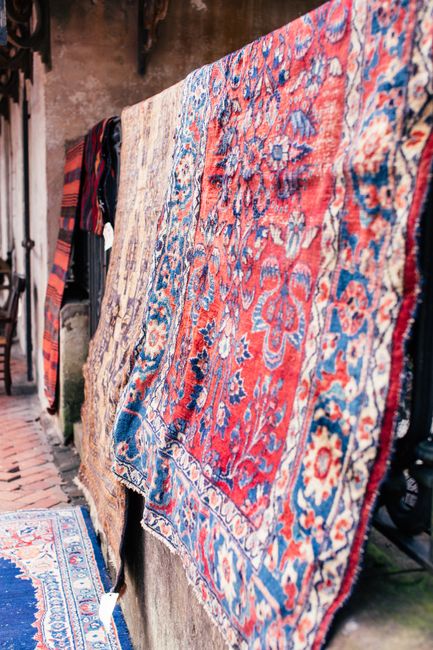
Flood Street homes tend to see real foot traffic, dust from the day-to-day, and the odd spill that arrives without warning. Antique runners, especially those laid in hallways or along narrow landings, pick up wear in a very particular way: faded walk lines, flattened pile, edge fraying, old odours, and marks that look minor until daylight hits them. The good news is that with the right care, many of these rugs can be cleaned successfully without upsetting the fibres, dyes, or backing. Let's get into it properly.
Why SW3 Rug Cleaning for Antique Runners on Flood Street Matters
Antique runners are often made with natural fibres, traditional weaving methods, and dyes that were never designed for heavy modern cleaning. That is the key point. A runner that has survived decades can be damaged surprisingly quickly by the wrong moisture level, the wrong brush, or a cleaner that is too aggressive. On a street like Flood Street, where many properties combine character features with regular daily use, a runner may be both decorative and functional. It frames the home, softens footsteps, and quietly carries the room's first impression.
Why does that matter so much? Because age changes how a rug behaves. Older wool may felt if scrubbed hard. Silk details can bleed. Cotton foundations can warp. Backing stitches can loosen. Even if the rug looks sturdy, the structure underneath may be delicate. A professional approach aims to lift soil while preserving the textile's integrity. That means treating the rug as a textile object first and a floor covering second. Simple, but easy to get wrong.
There is also the matter of value. Antique runners are often valued not just in money terms but in family history, design character, and the warmth they bring to a room. In a hallway, you may stop noticing them until they are gone. Then the room feels a little bare, a little colder. Cleaning is not only about appearance; it is about keeping a piece of the home alive and usable.
Expert summary: The best rug cleaning for antique runners is rarely the most dramatic-looking method. It is the one that removes soil gently, controls moisture carefully, and respects the age, dyes, weave, and condition of the piece.
How SW3 Rug Cleaning for Antique Runners on Flood Street Works
Good cleaning starts with inspection. Before any moisture touches the rug, the cleaner should identify the fibre type, check for loose threads, note stain locations, and look for dye instability or past repairs. That first step matters more than people think. A runner that has already been mended may need extra support before any wash begins. To be fair, this is the part where experience shows. A quick look can save a costly mistake.
The process usually follows a few stages:
- Dry soil removal: Fine dust and grit are lifted first, because gritty particles can scratch fibres during washing.
- Spot assessment: Stains are tested carefully. Not every mark should be attacked straight away.
- Colour stability check: Especially important for older dyes and decorative borders.
- Controlled cleaning: The rug is cleaned using the least aggressive suitable method, often with low-moisture or carefully managed wet cleaning.
- Rinse and residue control: Cleaning residues need to be removed properly, because leftover detergent can attract dirt again.
- Drying under supervision: Even drying is essential to reduce shrinkage, browning, or odour.
- Final grooming and inspection: The pile is reset where possible and the runner is checked again once fully dry.
For antique runners, the method may be adjusted to the piece rather than the other way around. Some rugs respond best to a careful immersion-style wash in a controlled setting. Others need low-moisture treatment. Some should only be addressed in specific areas. There is no one-size-fits-all answer, and anyone who says otherwise is probably simplifying things a bit too much.
If the rug has embedded pet issues, the cleaner may also look at odour sources more closely and use targeted treatment rather than a broad, saturating application. You can see why related services such as pet stain and odour treatment and stain removal can become relevant when a runner has been affected by repeated incidents rather than one-off dirt.
Key Benefits and Practical Advantages
The main benefit is simple: a cleaner runner with less risk. But the real value sits in the details.
- Better preservation: Gentle cleaning helps protect the pile, fringe, and weave structure.
- Improved appearance: Colours often look clearer once surface grime is removed.
- Less odour: Old fibres can hold smell, especially in hallways and near front doors.
- Longer usable life: A well-maintained antique runner can remain practical for years longer.
- Safer walking surface: Clean rugs are less likely to feel gritty or uneven underfoot.
- Home presentation: In a well-kept Flood Street property, the hallway sets the tone. You notice it the second you step inside.
There is also a subtle comfort factor. An antique runner can look beautiful, but only if it still feels settled and cared for. When it is grimy or flattened, the whole space can feel tired. Once cleaned correctly, the room often seems brighter without looking overdone. That is usually the sweet spot.
If you already maintain other fabrics in the home, it is often sensible to coordinate care with curtain cleaning or upholstery cleaning so the whole interior feels balanced rather than only one piece being refreshed.
Who This Is For and When It Makes Sense
This type of cleaning makes sense for homeowners, landlords, decorators, and anyone looking after a period property or a carefully styled interior. It is especially relevant if the runner is in regular use and showing signs of dullness, not just obvious staining. Some rugs look "fine" until you see them in natural light. Then the wear tells its own story.
You may need professional attention if:
- the runner is antique, vintage, or handwoven
- you do not know the fibre content for certain
- there are signs of dye bleed or colour fade
- the rug has fringe damage, edge wear, or old repairs
- there are pet accidents, food marks, or traffic lanes
- the runner smells musty after storage or a damp spell
- you want to prepare the home for guests, sale, or a tenancy handover
On the other hand, if the rug is a modern synthetic runner, the approach may be simpler. That is why service selection matters. Some clients actually pair rug cleaning with a broader deep cleaning plan for the home, especially before hosting or after a long stretch without proper maintenance. Different jobs, same goal: reset the place without stress.
And if your home is undergoing decoration or building work, a runner can pick up surprising amounts of dust. In that case, the timing might fit better alongside after builders cleaning rather than waiting until the dust has settled into the fibres. Literally.
Step-by-Step Guidance
Here is a practical way to think about the cleaning journey from start to finish.
- Identify the runner correctly. Look for any label, woven tag, fibre clue, or previous care note. If you know it is wool, silk-blend, cotton-backed, or hand-knotted, that narrows the method.
- Vacuum carefully. Use a suction-only setting if the rug is fragile. Avoid beater bars on delicate pieces. A lightweight dust lift is fine; aggressive agitation is not.
- Test for colourfastness. A small, hidden area should be checked before any wet treatment. This is especially important on border dyes and decorative motifs.
- Pre-treat carefully. Spots should be addressed individually. A wine mark, for example, is handled differently from a general traffic lane.
- Choose the least risky method. Low-moisture, controlled wet cleaning, or specialist hand washing may all be suitable depending on the rug.
- Control drying. The runner must dry evenly, ideally with airflow and good spacing. Damp patches are where trouble starts.
- Inspect after drying. The job is not finished until the rug is fully dry, checked, and, where needed, re-groomed.
One small but important point: do not rush the drying stage because the rug "seems nearly done". That is how browning, smell, and fibre distortion can sneak in. It never looks dramatic at first. Then, two days later, you are annoyed with yourself. Been there, as the saying goes.
Expert Tips for Better Results
These are the practical details that tend to separate a decent result from a genuinely careful one.
- Keep a regular dust schedule. Dust behaves like fine sand in older textiles. The less of it you leave in place, the easier cleaning becomes.
- Act early on spills. Blot gently and avoid rubbing. Rubbing usually spreads the issue and crushes the pile.
- Watch for old detergent residue. If a rug has been "freshened" repeatedly at home, residue can build up and attract soil faster.
- Use underlay wisely. A decent rug underlay can reduce slippage and wear, especially in a hallway.
- Rotate the runner if practical. In long corridors, traffic often hits one side more than the other.
- Think twice before DIY steam. Steam sounds convenient, but antique pieces can react badly to heat and moisture. Convenience is not always the friend here.
If a runner has a delicate construction, it can be worth coordinating care with specialist rug cleaning rather than treating it like a standard carpet. You may also find that carpet cleaning and rug care overlap in technique, but the handling standards for antiques are usually stricter. That difference matters.
One more small tip from real-world practice: if the fringe is particularly fragile, do not expect it to look like new after cleaning. The goal is to preserve it, stabilise it, and keep it looking tidy. Honest expectations save disappointment later. Simple enough.
Common Mistakes to Avoid
Most damage to antique runners comes from good intentions. That is the awkward bit. People are trying to help, and the rug ends up worse off.
- Scrubbing stains hard: This can spread dye, distort pile, and weaken fibres.
- Soaking the rug without testing: Excess water can cause shrinkage, warping, or colour bleed.
- Using bleach or strong household products: These can strip colour and leave permanent marks.
- Drying too slowly: Dampness trapped in the backing can produce odour and structural issues.
- Ignoring edge wear: A runner with loose binding needs handling before cleaning, not after the problem gets worse.
- Assuming all rugs are cleaned the same way: They really are not. Not even close.
A less obvious mistake is over-cleaning. People sometimes feel that if a rug is antique, it must be "deep cleaned" every time. Usually not. If the runner is lightly soiled, gentle maintenance is often better than forceful intervention. More cleaning is not always more care. Sometimes it is just more water and more risk.
Tools, Resources and Recommendations
You do not need a warehouse full of equipment to care for an antique runner, but the right tools make a noticeable difference. For household maintenance, the basics are simple.
- suction-only vacuum cleaner attachment
- soft brush for light grooming
- white absorbent cloths for blotting spills
- rug underlay suitable for the floor type
- fan or controlled airflow for drying support
- protective gloves if you are testing spot treatments
From a service point of view, it can help to choose a cleaner who is transparent about inspection, fibre testing, and drying methods. Ask how they would handle fringe, repairs, and colour stability. A good professional should be able to explain the method without sounding vague. If the explanation feels slippery, that is your cue to pause.
You may also want to review practical service information such as pricing and quotes, payment and security, and the company's insurance and safety approach before booking. Those pages do not clean the rug, obviously, but they help you judge whether the service is organised, careful, and upfront. In my experience, that matters just as much as the actual cleaning method.
Law, Compliance, Standards, or Best Practice
For antique rug care, the main "compliance" issue is not usually a single law; it is the standard of care. In the UK, a reputable cleaning provider should follow sensible health and safety practices, work carefully around fragile materials, and handle products and equipment responsibly. If a runner is valuable, damaged, or historically significant, caution should increase rather than decrease.
Best practice usually includes:
- clear communication about risks before work starts
- testing before treatment where colour movement is possible
- safe handling of cleaning agents and equipment
- careful drying to reduce mould or odour risk
- transparent explanation of limitations, especially for antique or restored pieces
If you are comparing providers, it is sensible to look at how they present their health and safety policy and whether they offer clear terms through terms and conditions. That is not bureaucracy for its own sake. It tells you whether the business is used to handling work with genuine care.
Data handling matters too when you request a visit or quotation, so pages like privacy policy and cookie policy can be part of a sensible pre-booking check. Not glamorous, I know. Still useful.
Options, Methods, or Comparison Table
Not every antique runner needs the same treatment. This table gives a simple comparison of common approaches and how they fit different situations.
| Method | Best for | Pros | Risks or limits |
|---|---|---|---|
| Dry soil removal and spot care | Light maintenance, delicate runners, regular upkeep | Low risk, minimal moisture, good for preservation | Won't remove deep-set staining or heavy odour alone |
| Low-moisture cleaning | Moderate soil, fragile fibres, controlled refresh | Reduced saturation, quicker drying, good balance | May not suit all stain types |
| Carefully controlled wet cleaning | Wool or robust handmade rugs needing a deeper reset | More effective soil removal, improved overall freshness | Needs skill, testing, and proper drying |
| Targeted stain treatment | Specific marks, isolated spills, spot rescue | Efficient and precise | Can be ineffective if the stain has already set deeply |
Which option is best? It depends on the rug, not the wish list. If the runner is fragile but only lightly dusty, dry care may be enough. If it has traffic lanes and old spill marks, a more involved method may be warranted. That choice should come from inspection, not guesswork.
For properties with broader maintenance needs, sometimes a runner is cleaned alongside house cleaning or even domestic cleaning if the aim is to refresh the home as a whole. Different jobs, same outcome: a calmer, cleaner space.
Case Study or Real-World Example
Here is a realistic example, without dressing it up too much. A Flood Street hallway runner in a period home had soft grey traffic lines, a slightly sour smell near the front door, and a few old marks near the centre where shoes and bags had been dropped over time. The rug was not visibly ruined, but it looked tired. That is often the stage where people underestimate the problem.
After inspection, the runner was treated gently rather than aggressively. Dry grit was removed first. The border was tested for stability. The cleaner focused on controlled treatment of the traffic lanes and a few isolated marks rather than saturating the entire piece. Drying was managed carefully, with airflow and time given properly. Not rushed. By the next day, the runner looked cleaner and lighter, and the room felt less stuffy. The owner's main comment was simply that the hallway had "its shape back". That feels right.
The important lesson? The success came from restraint. The rug did not need to be fought with. It needed to be understood. A bit dramatic perhaps, but true enough.
Practical Checklist
Use this simple checklist before arranging SW3 rug cleaning for antique runners on Flood Street.
- Confirm whether the runner is antique, handmade, or fibre-sensitive
- Check for labels, old repairs, or fringe weakness
- Note any stains, odours, or traffic lanes
- Take a few photos of problem areas before cleaning
- Ask how colourfastness will be tested
- Ask what drying method will be used
- Ask whether spot treatment is included
- Confirm how the rug will be handled if a repair issue is found
- Review price, payment, and security details
- Make sure the rug has enough space to dry safely afterwards
If you are also arranging related home care, it may be worth combining the visit with one-off cleaning or regular cleaning depending on your maintenance routine. That can make the wider job feel less piecemeal, which frankly is nicer for everyone.
Conclusion
Antique runners deserve careful, respectful cleaning. Especially on Flood Street, where homes often combine character, style, and everyday movement, the right approach protects both appearance and value. The best SW3 rug cleaning for antique runners is measured, tested, and gentle enough to preserve what makes the rug special while still removing the dirt that dulls it.
What matters most is not finding the flashiest method. It is finding the safest effective one. If you think of the runner as a textile with history rather than just something underfoot, the decisions become clearer. You treat it a bit more thoughtfully, and it pays you back in years of use, warmth, and quiet charm.
If you are weighing up your options, start with the condition of the rug, the type of fibres, and the level of soil. Then choose the least risky method that still solves the problem. Simple in theory, yes. But it really is the right place to begin.
Get a free quote today and see how much you can save.
When a cherished runner is looked after properly, the whole home seems to breathe easier. And that is a nice feeling to come home to, especially at the end of a long London day.
Frequently Asked Questions
Can antique runners be safely cleaned at home?
Some light maintenance can be done at home, such as careful vacuuming and blotting small spills, but full cleaning is riskier. Antique runners often need fibre testing and controlled moisture, so at-home washing can easily cause damage.
How often should an antique hallway runner be cleaned?
That depends on foot traffic, fibre type, and how sensitive the rug is. In a busy hallway, light maintenance should be ongoing, while professional cleaning is usually best based on visible soil, odour, or a drop in appearance rather than a strict calendar.
Will cleaning remove old stains completely?
Not always. Some stains become permanent once they have bonded with the fibres or dyes. A good cleaner can usually improve them, but honest expectations matter. Sometimes the goal is reduction, not total removal.
Is steam cleaning suitable for antique runners?
Sometimes, but not automatically. Heat and moisture can be too much for delicate fibres, older dyes, or repaired areas. The method should be chosen after inspection, not before.
What if my runner has fringe damage?
Fringe damage does not necessarily stop cleaning, but it does change how the rug should be handled. The fringe may need gentle care and extra drying control. If the damage is severe, stabilisation may be needed first.
Can pet smells be removed from antique rugs?
Often they can be reduced significantly, but it depends on how deep the odour has penetrated and whether the rug has been repeatedly affected. Related treatment such as pet stain and odour removal can be useful where the issue is localised.
How long does it take for an antique runner to dry?
Drying time varies with size, fibre, method, airflow, and weather. The key is not speed alone but even drying. A rug that feels nearly dry can still hold moisture in the backing, so patience is important.
Should I choose rug cleaning or carpet cleaning for a runner?
For an antique runner, specialist rug care is usually the better fit because the piece may need more delicate handling than a standard carpet. Carpet cleaning is a related service, but the rug's structure and value usually call for a different approach.
What signs tell me a runner needs professional attention?
Common signs include dullness, traffic lanes, lingering smells, set-in spots, fraying edges, colour changes, or a general feeling that the rug looks tired. If you hesitate because the piece seems delicate, that is usually a good reason to ask for a professional opinion.
Can cleaning help preserve the value of an antique runner?
Yes, careful cleaning can help preserve both the look and the condition of the rug, which supports long-term value. The important part is using a method that suits the piece. Rough cleaning can reduce value just as fast as dirt can.
What should I ask before booking a cleaner?
Ask how they test dyes, how they handle fragile fibres, what drying method they use, whether they carry appropriate insurance, and how they deal with old repairs or stains. Clear answers are usually a good sign.
Is regular cleaning enough for antique rugs?
Regular light care helps a lot, but it does not replace specialist cleaning forever. Over time, soil builds up in ways that simple vacuuming cannot fully address. The trick is balancing routine care with occasional professional attention.
What if the runner is stored away and smells musty?
That can happen after storage in a cupboard, loft, or wrapped container. Musty smells often point to trapped moisture or past odour retention. It is worth airing the rug carefully and getting an assessment before using stronger treatment.